
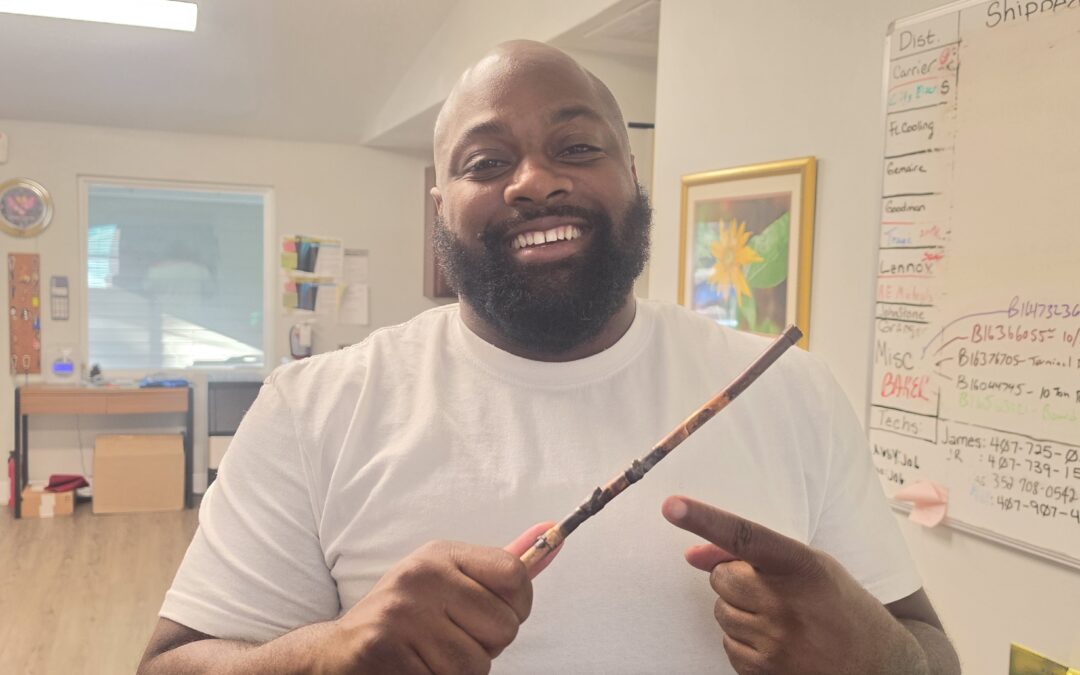
In less than three days from our very beginning, our group of nine participants got their first crack at HVAC brazing. From the nine this term, zero had brazing experience, allowing us to direct proper procedures immediately. To be honest, this group performed exceedingly well (must be great mentoring from Andrew, Robert, and Christopher).
Call me Mr. Braze
Be it brazing, component diagnostics, and safety, we waste no time getting you into the action. That’s the great thing about HVAC Technical Academy, we learn by doing and when it comes to the HVAC industry, you simply gotta know how to get it done.
For those not familiar, HVAC brazing is a high-heat metal-joining process for creating strong, leak-proof refrigerant lines, using filler metal (like silver alloys) melted by a torch, requiring specific equipment (torch, rods, nitrogen) and strict safety protocols (PPE, fire prevention) to join copper pipes for high-pressure systems.
When it comes to safety, proper PPE is required. For example, always wear safety glasses with side shields or dedicated brazing goggles with IR5 lens filters to guard against bright flashes, sparks, and debris. In addition, make sure you are wearing flame-resistant clothing, long sleeves work well and avoid synthetic fabrics like polyester or nylon which can melt and burn skin.
Each group member is one-on-one instructed to follow key steps such as preparing the joint, heating it correctly, applying the rod, flowing nitrogen to prevent oxidation, and pressure testing for leaks, ensuring a strong, reliable connection.
Common HVAC Brazing Injuries and Hazards

Call me Mr. Braze
HVAC brazing involves high-heat oxy-fuel torches, toxic fumes, and pressurized lines, exposing technicians to several immediate physical and health hazards. Provided are just a couple potential hazards when it comes to brazing:
* Burns: Considering the heat intensity when it comes to brazing, many burns arise simply due to lack of paying attention. Flesh and flame typically do not mix… be aware and be safe. To be clear, copper elements being heated can cause severe skin blistering and tissue damage.
* Eye damage: One cannot look directly at the sun for obvious reasons… the same is true when it comes to bright torch glare. Be smart and always wear proper safety eyewear.
* Toxic inhalation: Inhaling vaporized metals and filler allows or chemical flux, especially in confined areas with poor ventilation (attics included) can trigger metal fume fever or chronic respiratory irritation.
* Fires and explosions: HVAC technicians directly and indirectly work around fire-friendly areas and with the new slightly flammable refrigerants taking over, additional care must be considered.
Here’s a few statistics to put this topic into perspective:
* OSHA estimates the risk of fatal injury during welding, cutting, and brazing operations exceeds 4 deaths per 1,000 workers over a full working lifetime.
* BLS data for hot work and torch-related trades indicate hundreds of thousands of non-fatal injuries annually across industrial and construction sectors, with eye injuries (such as thermal burns and UV/radiant energy damage) accounting for roughly 6% of all construction-related eye trauma.
* Over 500,000 to 2 million U.S. workers regularly perform welding, brazing, or torch-cutting tasks as part of their trade.
For those interested in entering the HVAC Industry, choose a program dedicated to your knowledge, skills, and abilities with safety first and foremost. HVAC is a great life-changing career and, with proper training, a safe one too.
HVAC Technical Academy is about preparing you the safe, most efficient, and proper way to complete projects. Think about it, in six weeks, you could be ready for an HVAC journey lasting a lifetime.
Danny
407-878-0474